Norman · Cleveland County, Oklahoma
Tree Service in Norman, OK
Tree service in Norman, OK, from removal and trimming to stump grinding and storm cleanup, across Norman and the towns around it, handled by one independent local tree company. Straight written quotes and tidy work.
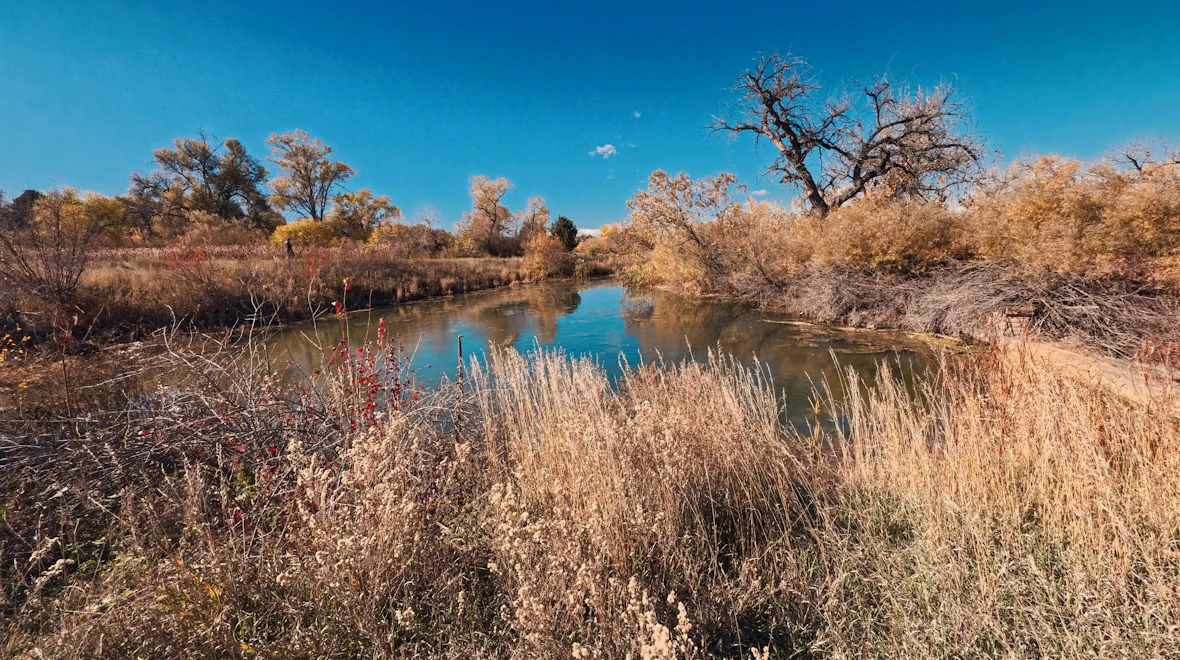
Norman grows serious trees. Old silver maples and hackberries shade the neighborhoods around campus, post oaks hold the sandy ground on the east side, and cottonwoods line the Canadian River along the city’s south boundary. It grows serious weather too: the October 2020 ice storm broke limbs on mature trees across the whole metro, an EF1 tornado tracked through Norman in April 2024, and more tornadoes hit the metro that November. In a city of 131,616 people and far more trees, a tree problem is a matter of when.
Canadian River Tree Service covers four kinds of tree work, and the company it refers you to does each one: taking trees down, trimming the ones worth keeping, cleaning up after storms, and grinding stumps out of the way. Norman comes first, then the towns close by: Moore, Noble, and Slaughterville.
Four jobs, done well
Tree Removal
Dead, storm-split, or too close to the house. Rigged down in pieces, chipped, and hauled. Most Norman removals land between $200 and $2,000.
Removal, in detailTree Trimming
Crown cleaning, clearance cuts, and weight off the limbs over your roof. No topping, ever.
Trimming, in detailStorm Damage
Hangers, leaners, and trees on structures. Stay clear of it, then call or send the form with the address and what happened.
Storm help, in detailStump Grinding
The stump chewed out below ground level so grass can grow where the tree stood.
Grinding, in detail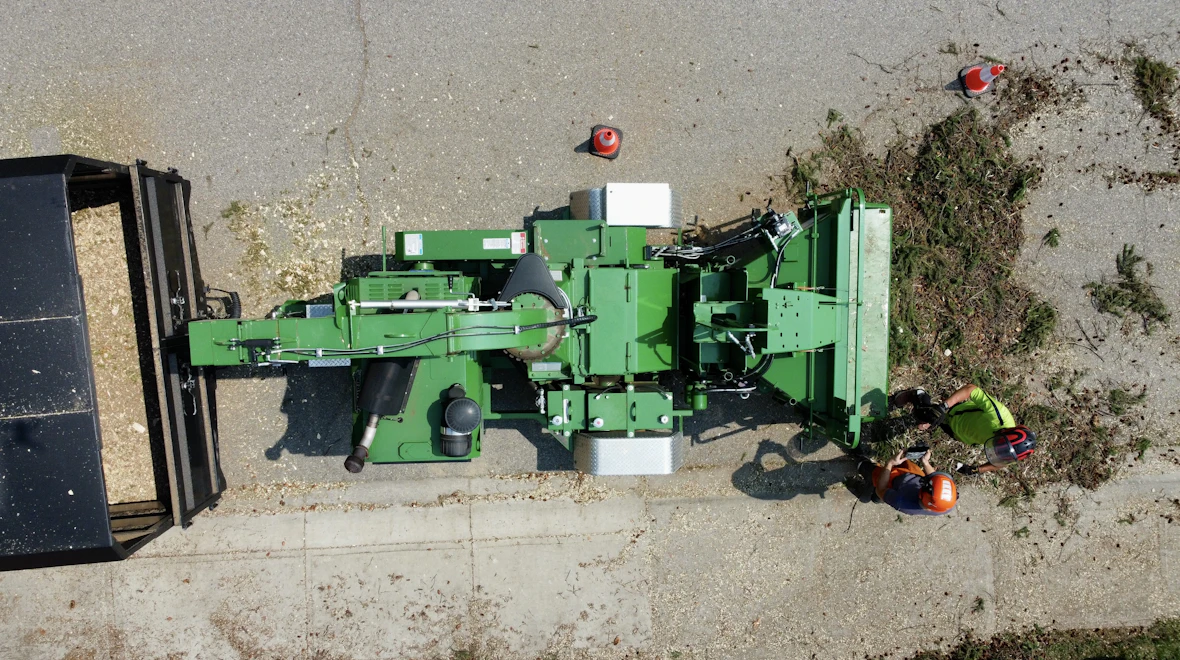
Limbs go through the chipper, logs go on the trailer, and the yard gets raked before the tree company pulls away.
Priced before anyone touches a branch
A typical Norman removal runs about $750. Small trees can cost as little as $200, and big removals push past $2,000. A complex crane job over a house can reach $6,000 to $7,000, and emergency work after a storm can run to $5,000. Those are the honest edges of the range. Your quote is free, specific, and in writing before any saw starts.
The number moves with four things: the size of the tree, what sits underneath it, how easily it can be reached, and how much wood has to leave. Nothing else. The full breakdown is on the tree removal page, and the price rundown from cheapest job to hardest shows which kind of removal yours is likely to be.
Built around Oklahoma weather
Tree work here follows the sky. Spring storms peak April through June. Ice arrives in late October and November — and when it lands on trees still holding their leaves, the way it did in October 2020, whole canopies come down at once. December through February is the quiet stretch, and honestly the best time to book trimming: the trees are dormant, the structure is visible, and the schedule is open.
If you want to understand what ice does to Oklahoma trees and how to get ahead of it, read the ice storm guide. When weather is actually moving, the source worth watching is the National Weather Service forecast office in Norman.
Moore, Noble, Slaughterville
Moore
Young trees on tight lots, planted fast after the tornadoes, now big enough to break. Careful rigging, short run up I-35.
Tree service in MooreNoble
Cross Timbers post oaks and fence-line redcedars, just south of Norman on US-77.
Tree service in NobleSlaughterville
Acreage parcels, long drives, and hedgerow trees grown into the fences.
Tree service in SlaughtervilleGood to know
Do you top trees?
No. Topping wrecks a tree’s structure and grows back the weak wood that ice snaps off first. The company your request goes to does proper crown work instead.
Is the stump included?
Grinding is its own line on the quote. Bundling it with the removal is the cheapest way to get it done. If you are torn between grinding a stump and digging it out whole, read grinding a stump compared with pulling it out first.
Do I need to be home for a quote?
Usually not. Most quotes come from a walk of the yard and a phone call. If the gate is locked, the tree company sets a time with you.
What if a tree lands on the house?
Get everyone out of that part of the house and away from any downed line, then call and leave a message with your address and what happened, or send the form. The safety steps for storm work are on their own page. If it can wait for daylight, waiting is cheaper for you.
Do you haul everything off?
By default, yes. If you burn wood, say so, and the trunk can be cut into firewood lengths and stacked where you point, with the brush hauled off.
How fast can I get a number?
It depends on the season. After a big storm, tree companies across the metro are swamped at once, so a quote can take longer than it would in calm weather.
One call gets it moving.
Describe the tree and where it stands — the written quote comes back with a number and a plan.